Data analyst is the most accessible on-ramp into data careers. The bar is lower than data science, the demand is high, and the day-to-day is genuinely interesting. Here is the cleanest path we’ve seen from beginner to first offer.
Build the foundational toolkit
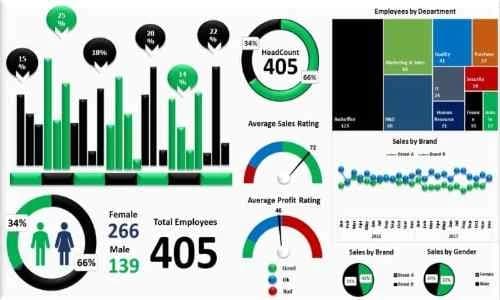
Excel + SQL is the floor. Add Python or R if you have time, and pick one BI tool — Power BI or Tableau — to ship dashboards in.
- Excel: pivot tables, lookups, basic VBA awareness
- SQL: joins, window functions, CTEs
- BI: Power BI or Tableau
- Optional: Python or R for deeper analysis
Build two portfolio projects
Pick a real, public dataset and do a full analysis end-to-end: cleaning, exploration, visualization, written summary. Two of these beat ten half-finished tutorials.
Pick one certification
Google Data Analytics, Microsoft Power BI (PL-300), or Tableau Desktop Specialist. Any one of them helps your résumé clear the first screen.
The bottom line
Two portfolio projects, one certification, fluency in SQL and one BI tool. Most learners who do exactly that land their first analyst role within four months of applying.